Don't wait - every day increases health risks and property damage. These aggressive rodents multiply rapidly and spread dangerous diseases.
Professional elimination is the ONLY safe and effective solution. DIY methods fail 90% of the time and can make the problem worse.
Average response time
Satisfaction guarantee
When It's Time To Deal With Raccoons In New England?
Read More About Ticks and Fleas FAQ: Common Questions Explained
Professional Solution That Actually Works

CEO at AnchorPest Services

Updated October, 4
Call now for same-day, eco-friendly pest control
With over 20 years of experience, Anchor Pest offers personalized, chemical-safe yearly subscriptions, protecting homes and businesses across Manchester and surrounding counties with ongoing peace of mind.
If you see raccoons frequently around your house or property, notice damage to your trash cans, hear noises in your attic, or find droppings in your yard, it’s time to take action. Raccoons can look cute, but they cause real problems: they carry diseases, can make a mess of your home or yard, and may become aggressive if threatened. In New England, as soon as you see signs of raccoons settling near or inside your property, you should deal with them right away before a small issue becomes a big, expensive, or unhealthy problem.
Raccoons are clever, mostly active at night, and are attracted to food scraps, pet food, and easy shelter. Signs that you need to address a raccoon problem include:
If you notice any of these, there’s a good chance raccoons are using your property for food or shelter.
Raccoons can cause damage outside and inside your home. They pull apart roofing, siding, and vents to get indoors. Once inside, they can tear insulation, chew electrical wires (which is a fire risk), and leave behind large amounts of droppings and urine, which can spread diseases like leptospirosis and raccoon roundworm. Raccoons also carry rabies, which is very dangerous for pets and people.
The longer raccoons stay, the worse the problem will get—especially if a mother decides to nest and raise babies. That’s why quick action is key to preventing property damage, health risks, and extra costs.
If you realize raccoons are around or inside your home, here’s what to do:
Even after removal, raccoons may return if conditions are right. To keep them away:
If you see any signs of raccoons around your property in New England, don’t wait—handle the situation quickly by removing attractants, closing entry points, and getting expert help. Acting early minimizes risks to your home, family, and pets. Prevention and professional removal are always the safest—and most effective—solutions.
Professional pest control eliminates troubles immediately. Our safe, effective treatments protect your loved ones from dangerous diseases.
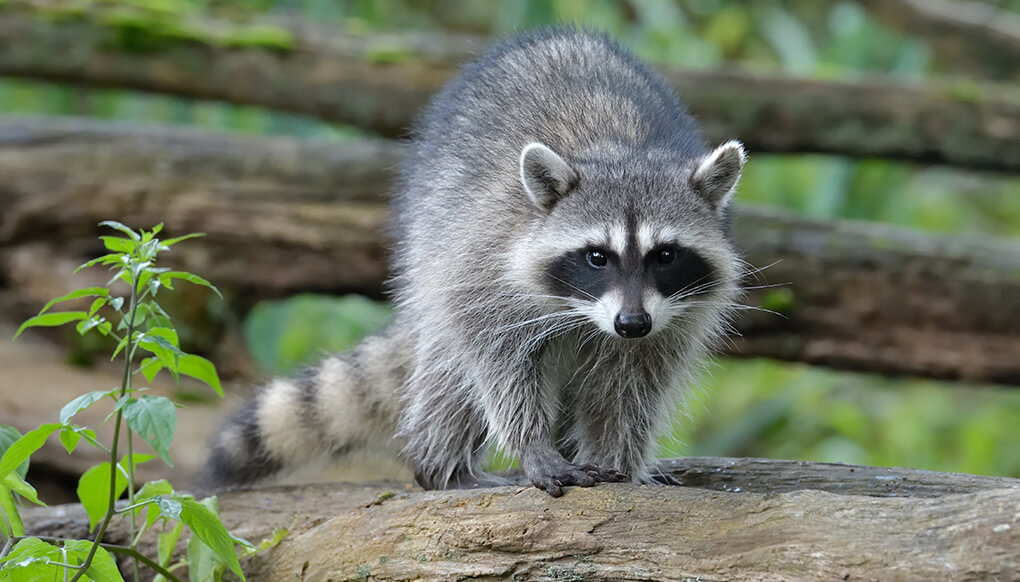
Learn effective ways to get rid of raccoons, understand the risks they pose, and discover prevention tips to keep your home safe. Essential info for homeowners.
Read More.svg)
Our certified technicians eliminate pests infestations completely and permanently.
Here's what you get:
🔍
Trained experts identify entry points and nesting areas
🛡️
Pet and family-friendly methods used
🎯
Targets entire colony, not just visible insects or rodents
📋
Long-term exclusion strategies
🧽
Proper cleanup and sanitization
✅
Service warranty and follow-up visits
Complete property assessment within 24 hours
Safe, effective treatment of entire colony
Long-term exclusion and monitoring
Join thousands of satisfied customers who chose professional pest control.
100% satisfaction guarantee.
Quarterly Subscription Plans • Licensed & Insured • Same-Day Start • 100% Satisfaction Guarantee
License: 782664